
The Ultimate Guide to Odoo ERP: How Freelancers Can Build a Six-Figure Income
Published by: [AWShub]
Reading Time: 8 Minutes
Table of Contents

Introduction: The Goldmine in Open Source ERP
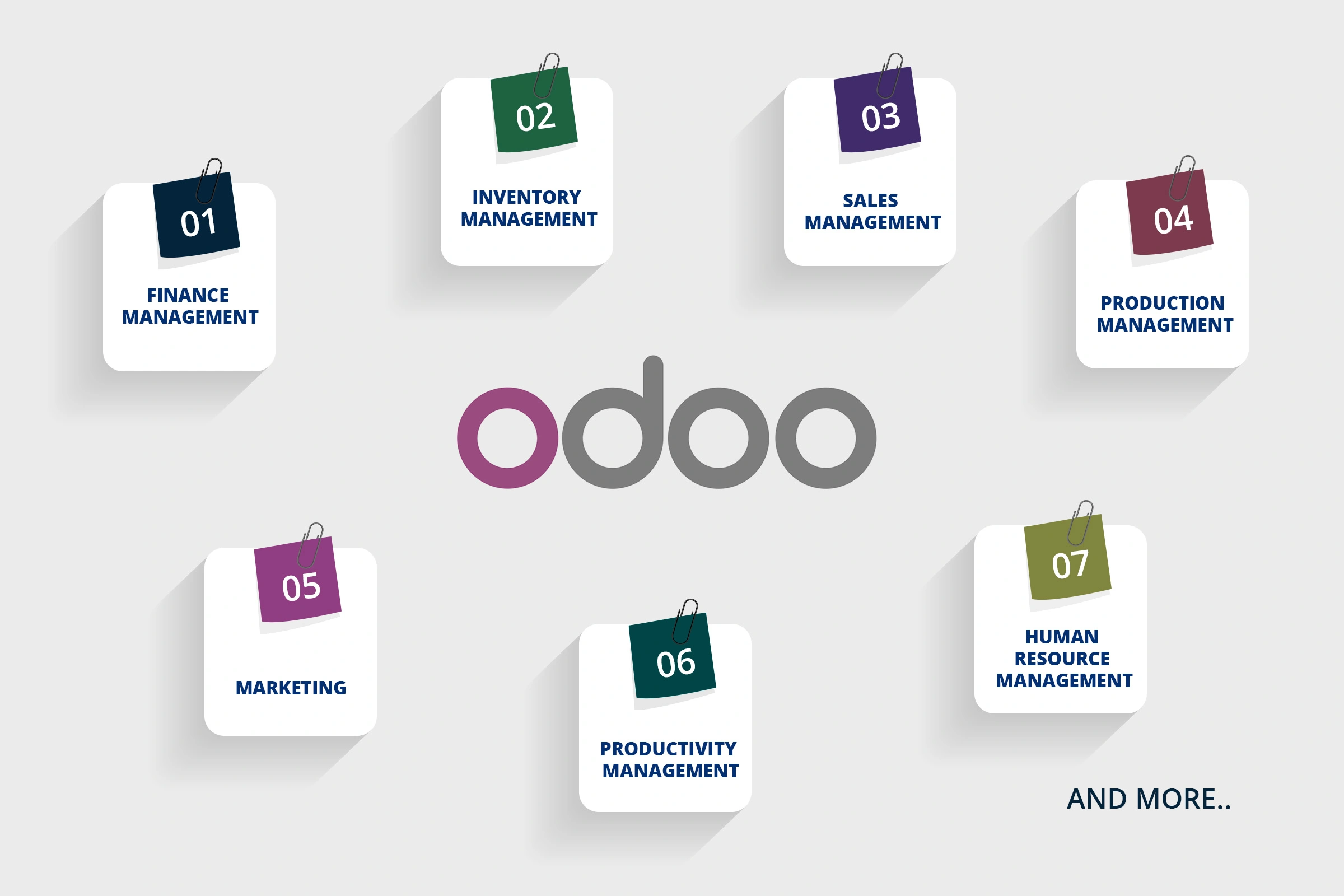
In the crowded landscape of business management software, Odoo ERP stands out as a disruptor. Once known as TinyERP, Odoo has evolved into a suite of over 30+ core apps (Accounting, Inventory, CRM, HR, Manufacturing) and 16,000+ third-party modules.
But for freelancers, Odoo isn’t just software—it’s a business opportunity. While giants like SAP and Oracle price out small-to-medium businesses (SMBs), Odoo offers an affordable, modular, open-source alternative.
However, “affordable” doesn’t mean “easy.” Businesses buy Odoo for its price but hire freelancers because of its complexity. This is the gap where you make money.
This article explains exactly how to leverage Odoo ERP as a freelancer, the specific skills you need, and the five most profitable revenue models.
Why Odoo? The Market Demand for Freelancers
Before diving into monetization, understand the demand drivers:
- The Migration Wave: Thousands of companies are fleeing QuickBooks (for accounting) and Shopify (for inventory) to consolidate everything into Odoo.
- The Technical Debt: Odoo’s Python-based backend and XML views require coding knowledge. Most business owners are not developers.
- The Customization Trap: Every business wants Odoo to work their way. Out-of-the-box never fits perfectly.
Search Trend: “Odoo freelancer” searches have increased 300% over three years (Source: Google Trends). The supply of good freelancers is low; the demand is high.
Core Skills Required to Monetize Odoo
You cannot simply “resell” Odoo. You must solve problems. Your income is tied to your skill level:
| Skill Tier | Capabilities | Hourly Rate (USD) |
| Basic | Installation, module activation, basic UI fixes, user training | $30 – $50 |
| Intermediate | Data migration (CSV/API), workflow automation (Automated Actions), Invoicing setup | $60 – $90 |
| Advanced | Custom module development (Python), Inherit views (JS/XML), Third-party API integration (Stripe, Shopify, WooCommerce) | $100 – $200+ |
| Expert | Odoo.sh deployment, Multi-company consolidation, Performance tuning, Studio customization | $150 – $300+ |
5 Proven Ways to Make Money as an Odoo Freelancer
Here is the actionable roadmap. Do not try all five at once. Pick one niche.
1. Implementation & Configuration (The Onboarding Specialist)
Most clients buy Odoo Online (SaaS) or Odoo Community (Self-hosted) but cannot set it up.
- The Service: You configure Chart of Accounts, set up Sales pipelines, configure Warehouse locations, and set user permissions.
- Pricing Model: Fixed project fee ($2,000 – $5,000 for a basic 4-module setup) or hourly.
- Pro Tip: Focus on Manufacturing or Field Service—these modules are complex and pay higher rates.
2. Custom Module Development (The High-Value Niche)
Every business has unique workflows. Odoo Community lacks features that Enterprise has (like documents signing or planning).
- The Service: Write Python code to create a new “app” or modify an existing one. Example: A custom “Rental Management” module for a hardware store.
- Pricing Model: Hourly ($100+) or Value-based pricing (e.g., “This module saves you 10 hours/week = $500/month value; I will build it for $4,000”).
- Tools: Use Odoo’s scaffolding command. Always provide a manifest.py and views.xml.
3. Data Migration & Cleanup (The Unsexy Goldmine)
Moving from Excel, QuickBooks, or Magento to Odoo is terrifying for business owners.
- The Service: Extract data from legacy systems, transform it (clean duplicates, fix formats), and load it into Odoo via Import tools or API.
- Pricing Model: Per-record pricing or daily rate ($600/day).
- Critical Skill: Mastering the base_import module and writing CSV/XML import templates.
4. Odoo Training & Documentation (Low Tech, High ROI)
Many implementations fail because employees refuse to use the new system.
- The Service: Create custom video tutorials, user manuals (PDF), and live Zoom training sessions for staff.
- Pricing Model: $150/hour for live training. $500 for a custom manual.
- Target Audience: Non-profits and retail stores using Odoo for the first time.
5. Maintenance & Support Retainers (Recurring Revenue)
This is the holy grail of freelancing. Stop trading time for money via one-off projects.
- The Service: Monthly server health checks, security updates (Odoo has frequent CVEs), database backups, and bug fixes.
- Pricing Model: Monthly retainer ($500 – $2,000/month depending on server size).
- The Pitch: “You pay me $1,000/month to ensure you never lose sales data and your server never crashes.”
Where to Find Odoo Freelance Clients
You cannot just sit on Upwork. Odoo is niche. Go where the users are:
- Odoo.com/partners: Register as a freelance “Ready Partner.” Odoo refers small projects to partners.
- Odoo Community Association (OCA): Contribute code to OCA GitHub repos. Companies hire contributors they see fixing bugs.
- LinkedIn Sales Navigator: Search for “Odoo ERP Specialist” job titles at companies. Pitch them for consulting.
- Reddit (r/Odoo & r/ERP): Users constantly ask “How do I fix X?” Reply with value, then DM your portfolio.
- Freelance Platforms: Upwork and Fiverr are crowded, but filter for German, Dutch, or Australian clients—they pay more.
SEO Strategy: How to Get Clients to Find You
To rank for “Odoo ERP freelancer” or “Custom Odoo module developer,” optimize your own website:
- Title Tag: Odoo ERP Freelancer | [Your Name] – Implementation & Custom Modules
- H1: Odoo ERP Solutions for SMBs: Freelance Development & Consulting
- Internal Linking: Write blog posts titled “How to migrate from QuickBooks to Odoo 17” or “Odoo vs. ERPNext: Which is cheaper?”
- Schema Markup: Use Person and Service schema to tell Google you are a local freelancer (e.g., “Odoo Freelancer in Austin, TX”).
Pitfalls to Avoid (Lessons from Failed Freelancers)
- Underquoting: Never quote a fixed price until you have seen the client’s database. “Small changes” in Odoo often require rewriting core Python models.
- Ignoring Versions: Odoo 16, 17, and 18 are vastly different. A module for v16 will break on v18. Specialize in one version per year.
- No Contract: Always have a contract stating that custom modules are licensed under LGPL (client owns code, but you can reuse logic).
- Server Negligence: Do not let clients host on cheap $5 VPS servers. Odoo is resource-heavy (2GB RAM minimum for 3 users). Force them to use Odoo.sh or a dedicated cloud server.
Sample Pricing Menu (Downloadable)
| Service Package | Price (USD) | Delivery Time |
| Starter Pack: Installation + CRM + Sales setup | $1,500 | 1 week |
| E-commerce Sync: WooCommerce to Odoo integration | $2,500 | 2 weeks |
| Monthly Retainer (5 hours support + backups) | $750 / month | Ongoing |
| Custom Module (Simple – 3 fields + report) | $1,200 | 3 days |
| Custom Module (Complex – New workflow + API) | $5,000+ | 3 weeks |
Conclusion: Your First Step Today
Odoo ERP is not a get-rich-quick scheme. It is a get-rich-consistent scheme. The learning curve is steep (learn Python, PostgreSQL, and XML), but the barrier to entry keeps competitors out.
Your 30-day action plan:
- Week 1: Install Odoo 18 Community on a local Docker container. Break it. Fix it.
- Week 2: Build one custom module (e.g., a “Library Management” system). Put it on GitHub.
- Week 3: Join the Odoo Discord and answer three questions.
- Week 4: Pitch one local business. Offer a free audit of their current software.
Start as a generalist, but become a specialist (e.g., “The Odoo Manufacturing Guy”). The money is in the niche.
Ready to start?
External Links :